



Who this is for
This article is for yacht owners, charter managers and brokers who run a vessel in Dubai, or are about to start. Most of what ranks for a yacht charter business in Dubai is written by company-setup consultancies, and it stops once the licence is issued. That is the easy part. The harder question is how a licensed boat gets booked on a Tuesday in February, and what it costs you to be found.
If you are a guest looking to book rather than list, our complete guide to yacht charter in Dubai is the better place to start. If you already have a vessel and want the practical route onto a booking platform, the short version lives on our list your yacht page. This article is the longer thinking behind it: licensing, seasonality, demand, and the economics of each way to get bookings.
Licensing in brief: trade licence, DMA approval, vessel registration
Yachting in Dubai is regulated by the Dubai Maritime Authority (DMA, formerly Dubai Maritime City Authority/DMCA), which sits under the Ports, Customs and Free Zone Corporation (PCFC). Public guidance, including the Visit Dubai yachting page for the travel trade and published overviews from corporate advisers such as Sovereign Group, points to the same three building blocks. Operators typically need:
- A trade licence that allows the commercial activity, so your company can legally sell charters.
- DMA approval for the charter activity itself.
- Vessel registration for each boat you intend to put on the water commercially.
We deliberately do not quote licence costs here. Published figures conflict, they vary by activity and vessel, and they change. Ask DMA or a licensing adviser for the current schedule and get it in writing. It is also worth asking what crew, safety and insurance paperwork is expected for the size of vessel you run, because those requirements shape your real operating cost more than the headline licence does.
A useful sanity check before you spend anything: a vessel that is not licensed for charter cannot be sold as a charter, by anyone, on any platform. Reputable marketplaces will ask to see your paperwork before a listing goes live. In 2026 a Dubai Yacht Rental Portal launched with more than 150 licensed vessels, a sign that the market is moving towards visible, documented inventory. Whichever route you pick, assume that guests and platforms will increasingly expect your documents to be in order.
The season: when demand peaks
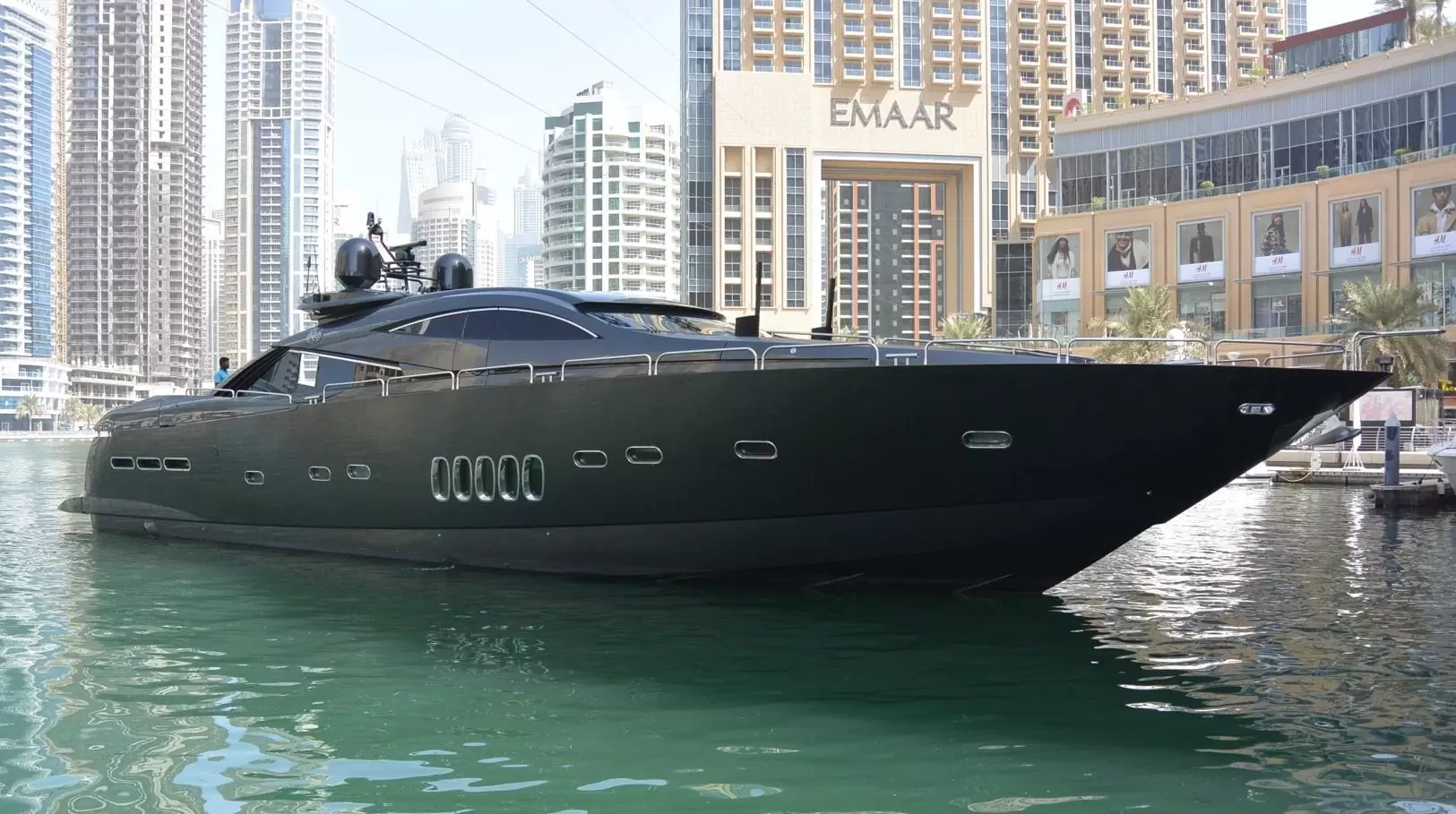
Dubai charter demand follows the weather and the calendar. The cooler months, roughly October to April, are the core season. Within that, the weeks around Christmas and New Year are the tightest for availability, and weekends fill before weekdays all winter. Summer is hot and humid, so daytime demand softens; guests who still book tend to prefer sunset and evening departures and vessels with a comfortable air-conditioned saloon.
| Period | Demand | What helps |
|---|---|---|
| Oct to Nov | Building | Calendar open, photos fresh |
| Dec to Jan | Peak | Clear NYE terms, early holds |
| Feb to Apr | Strong | Weekday offers, events |
| May to Sep | Quieter | Sunset slots, indoor comfort |
Ramadan moves across the calendar each year, and it changes the rhythm of the day. Plan your pricing and crew availability around the actual dates rather than a fixed month. Use the quiet months for maintenance, photography and documentation, so the boat is ready before the first enquiries of the new season arrive.
What guests actually ask for (from our booking requests)
Our concierge desk handles charter requests every week, and the same themes recur. We are not quoting percentages here, only what we see repeatedly. If your listing answers these questions up front, you save a round of messages and win the guest who is comparing five boats at once.
- Size matched to group. Guests start with headcount, then pick a length. Our listed fleet currently runs from about 40 ft to 170 ft across 33 yachts, and the right size is usually decided by how many people want to be comfortable, not how many can technically fit.
- A jacuzzi or sundeck. Many guests ask directly whether the yacht has a jacuzzi, a flybridge or a large foredeck. Say so plainly, with a photo.
- New Year's Eve. The question arrives early: is the boat available, what is the minimum duration, and where will it be positioned for the fireworks. Publish your NYE terms before the enquiries start.
- Birthdays and celebrations. Guests want to know about decorations, cake, music and catering, and whether outside suppliers are allowed. Our yacht party page shows how celebration requests are framed on the guest side.
- Swim stops and sunset timing. Where the boat goes, how long you stay, and what water toys are included.
- Deposit and fuel. Guests ask what is held, when it is returned, and whether fuel is included. Where a figure is not stated, we tell guests the fleet confirms it, so make sure yours is clear.
Getting bookings: own site, brokers, marketplaces
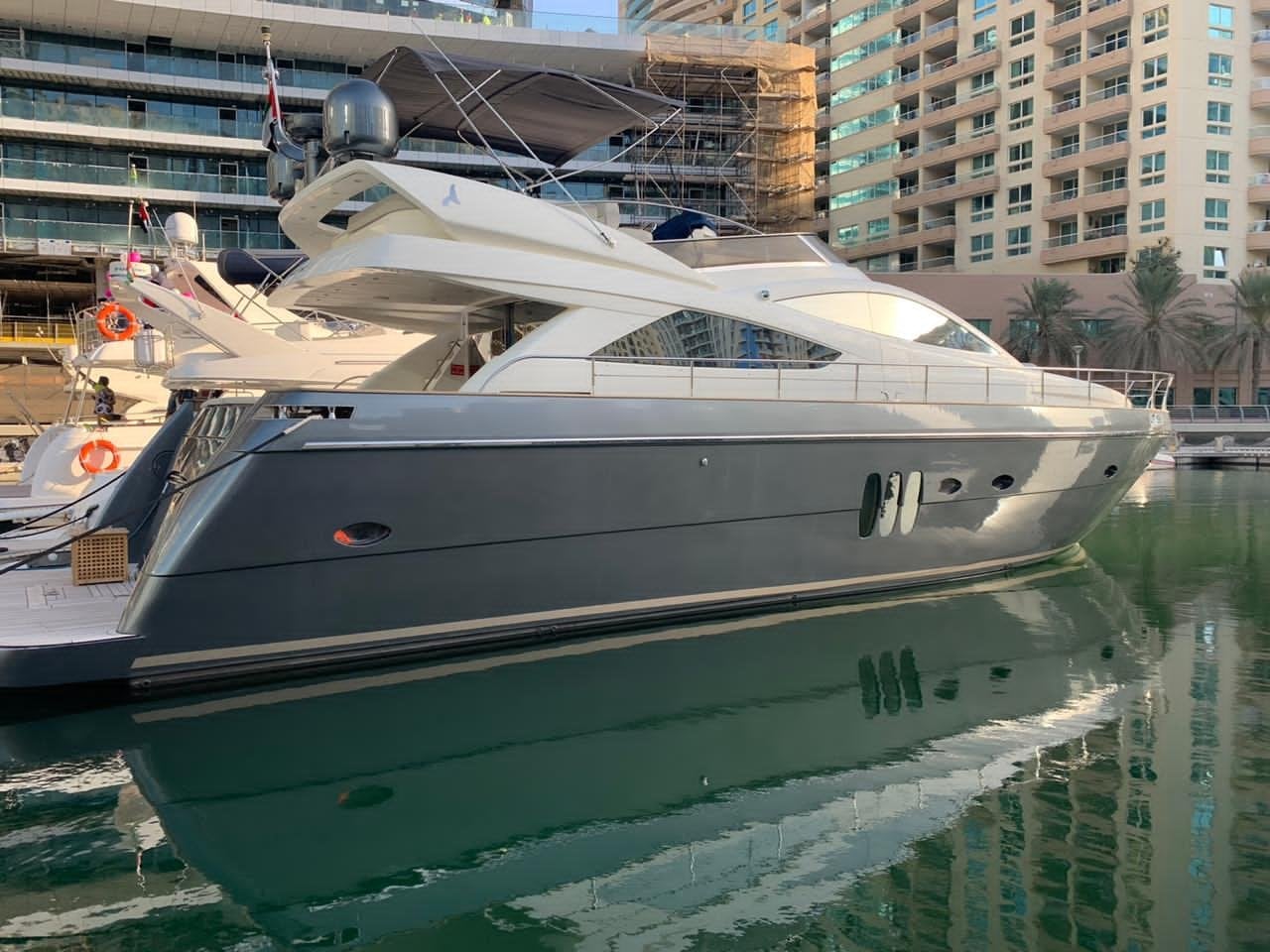
There are three realistic routes, and most operators end up using more than one.
Your own website and social channels. You keep the full margin and the customer relationship, but you carry the cost of search visibility, photography, enquiry handling and payment collection. For a single boat, building organic traffic against established sites takes time, and the first season can be slow.
Brokers and agents. They bring corporate and repeat clients and can fill midweek gaps. Commission is negotiated privately, so agree it in writing, including who holds the guest's payment and when you are paid.
Marketplaces. They bring guests who are already searching, in exchange for a fee. How that fee is charged is the important detail, and it is where operators most often compare badly.
Yearly packages vs pay-per-booking
Some marketplaces charge an annual package for visibility. Others charge per booking, either to the operator or to the guest. The comparison is simple arithmetic. A yearly package is a fixed cost you pay whether or not a single guest books. Pay-per-booking costs nothing until a charter happens.
| Model | You pay | Risk |
|---|---|---|
| Yearly package | Fixed fee up front | Paid even with no bookings |
| Per booking, operator pays | Share of each sale | Cuts your margin |
| Per booking, client pays | Nothing | Guest price is higher |
To compare a package with a per-booking model, divide the annual fee by the number of charters you realistically expect from that channel. If the answer is higher than the per-booking alternative, the package only wins if it delivers many more bookings. For a new listing with no history, that is a hard bet. Ask any marketplace for its fee structure in writing before you commit, and read what happens to deposits and cancellations.
Where Ya Salam fits: free to list, client pays the fee
Ya Salam is a concierge booking service, and we list yachts on a simple basis. Listing is free, with no listing fee, subscription or setup charge. When a charter is booked, the client pays a 13% service fee on top of your price. That is 10% for the platform and 3% for card processing, with 5% VAT on the fee only. You receive your full price.
As an illustration, on a charter priced at AED 8,000 to 12,000, the client's fee would be around AED 1,040 to 1,560, plus 5% VAT on that fee. Your price is untouched. Deposits are never fee-bearing. The full wording is in our terms.
You can see how listings appear to guests on the yachts page. We make no claim that this replaces your own channels. It is one more place where a guest searching for a boat can find yours, at no cost to you unless a booking happens.
Listing a yacht on Ya Salam in 5 steps
- Start on the supplier page. Go to the supplier area and create your account with your company details.
- Add your vessel. Enter length, capacity, layout, features such as a jacuzzi or flybridge, departure marina, and your price. Add clear photos. Your DMA and registration paperwork should be ready.
- Set your terms. Choose durations, extras, and a refundable security deposit if you want one. It is held through Stripe and carries no fee.
- Connect Stripe. You do this once. When a client pays, your full price is transferred through Stripe Connect and paid out on your Stripe payout schedule.
- Review, then live. Our team reviews your ID and listing before it goes live. Once approved, enquiries and bookings come through the concierge desk.
If you want to see the whole process before you start, the list your yacht page sets it out in one place.
Before you commit to any channel
Whichever route you choose, a few habits make every channel perform better. Keep your calendar accurate, because a boat shown as free that is not costs you trust. Reply to enquiries quickly, since guests compare several vessels at once. Photograph the boat in good light, with the deck, saloon, cabins and any jacuzzi shown clearly. And state your inclusions in plain words: crew, fuel, water, soft drinks, music, swim stops and what costs extra.
If you are weighing the licence against the likely return, work backwards. Estimate how many charters a season you could realistically fill, multiply by your price, then subtract crew, fuel, berth, insurance, maintenance and licence costs. Only then decide whether a second vessel or a different channel makes sense. The licence gets you permission to trade. Bookings, and the repeat guests behind them, are what make the business work.
When you are ready to see how a Dubai charter looks from the guest's side, or want to plan a day on the water yourself, you can start in our experience builder.